



This question comes up again and again.
In comments, in messages, in workshops:
Do you always need pizza flour?
The short answer:
👉 No.
The honest answer is a bit longer – and that’s exactly what this article is about.
Possible is not always sensible
Yes, you can make pizza with almost any flour.
I’ve tried it myself – even with regular supermarket flour.
Short dough development, simple conditions, no frills.
And yes: The result was sometimes surprisingly good.
👉 If you want to read about it, I documented this test here:
But this is exactly where the more important question begins:
Just because something is possible – should you do it that way?
Especially at the beginning?
Pizza is actually simple
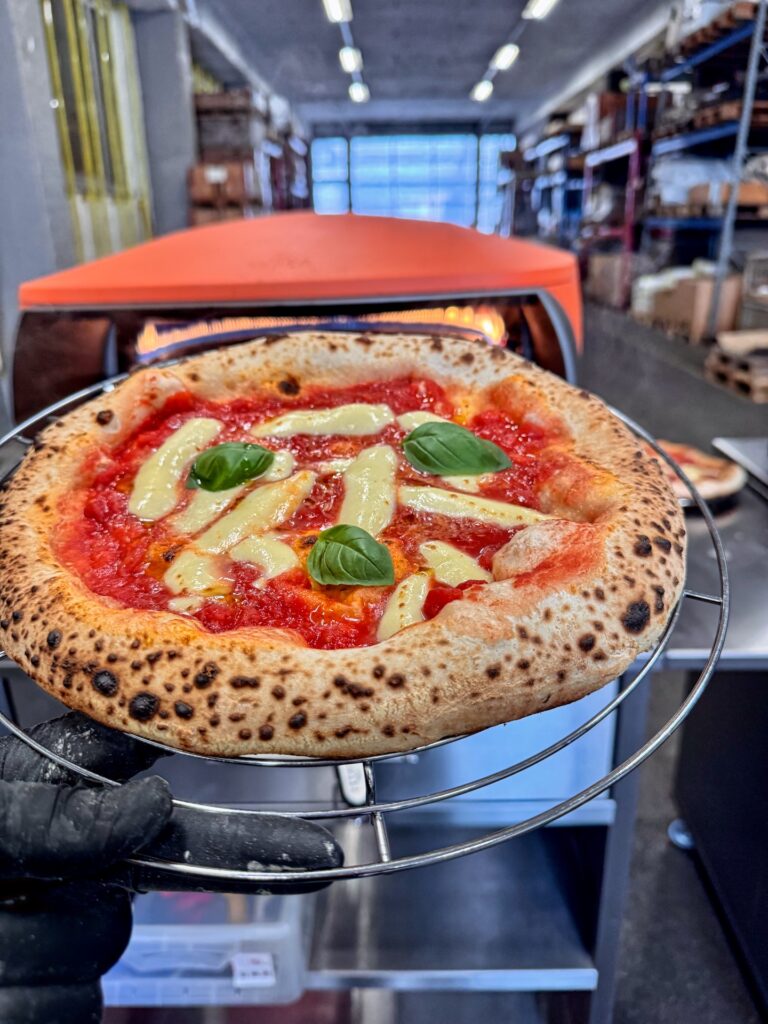
Pizza is actually simple.
It only becomes difficult when we want too much at once.
- Too many adjustments.
- Too many comparisons.
- Too many experiments at once.
Instead of developing a feel for dough, timing, and heat step by step,
we try to change or optimize everything at once.
And that’s exactly why pizza often loses its simplicity.
Why pizza often becomes unnecessarily complicated
Many problems arise not from a single big mistake,
but from the combination of many small things:
- high hydration without experience
- constantly changing flours
- a different recipe every time
- social media comparisons instead of one’s own routine
This rarely leads to better pizza.
It usually leads to frustration.
And frustration is the point where many give up again.
Why consistency is so important
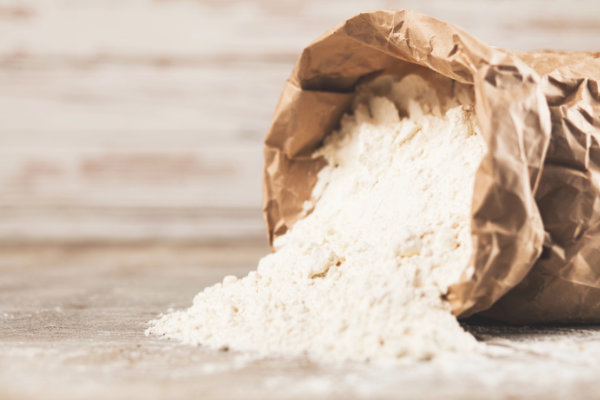
In this context, I also spoke with a private mill.
They confirmed something very clear to me:
Bakeries need consistent flour quality.
The reason is simple:
Recipes must work the same every day.
Fluctuations cost time, money, and quality.
And that’s exactly what applies on a small scale at home too.
Whether:
- Italian pizza flour
- or high-quality baker’s flour directly from the mill
👉 Consistency makes learning easier.
A brief look at reality
Foodstuffs like flour are declared in the EU with average values.
This is legally correct and completely normal.
In practice, however, this also means:
- Protein
- Moisture
- Composition
can vary slightly from package to package.
Experienced pizzaiolos compensate for this.
Beginners often only notice one thing:
👉 The dough suddenly feels different.
And this is exactly where it helps
to work with the most consistent bases possible.
Is pizza flour a “specialty flour”?
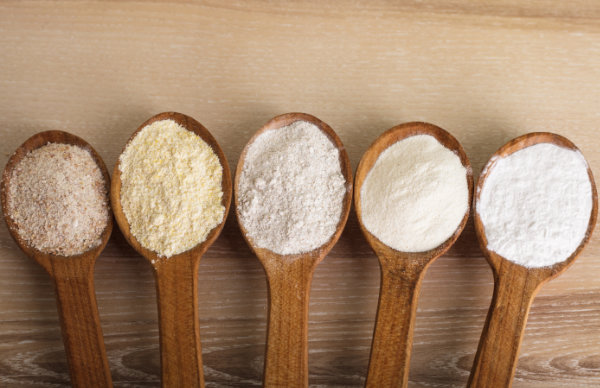
No.
Pizza flour is not magic flour
and not a marketing trick.
It’s simply a flour that:
- was developed for pizza
- is processed more consistently
- is more predictable in handling
This doesn’t make it “better” in a moral sense, but easier – especially at the beginning.
The same applies to good baker’s flour directly from the mill, by the way.
Less is more – especially at the beginning
Pizza doesn’t thrive on pushing everything to the limit.
It thrives on doing a few things well.
A simple dough.
Clear processes.
Repeatable results.
This ensures:
- Confidence
- Success experiences
- Motivation
And motivation is more important than perfection at the beginning.
Which flour makes sense for whom
Beginners
- benefit from consistent flour
- less frustration
- faster learning
Intermediate
- can vary
- understand connections better
- experiment more purposefully
Experienced
- compensate for fluctuations
- work with almost any flour
- know why something works
None of these is better or worse.
They are simply different phases.
My conclusion
Yes, you can make pizza with any flour.
Yes, supermarket flour can also work.
But:
👉 You don’t have to make it unnecessarily difficult for yourself.
Pizza is actually simple.
It only becomes complicated
when we want too much at once.
If you are starting out:
- keep the ingredients manageable
- work with the most consistent bases possible
- give yourself time
The rest will come naturally.
👉 Let’s talk honestly about pizza.