



Diving into Italian cooking: The tomato sauce is the heart of every pizza. For home pizza bakers who want to enjoy that authentic Italian taste at home, a simple but delicious recipe is a must. Here you’ll learn how to whip up a tasty tomato sauce for pizza with San Marzano tomatoes.
The recipe: simple and authentic
Ingredients for approx. 4-6 pizzas:
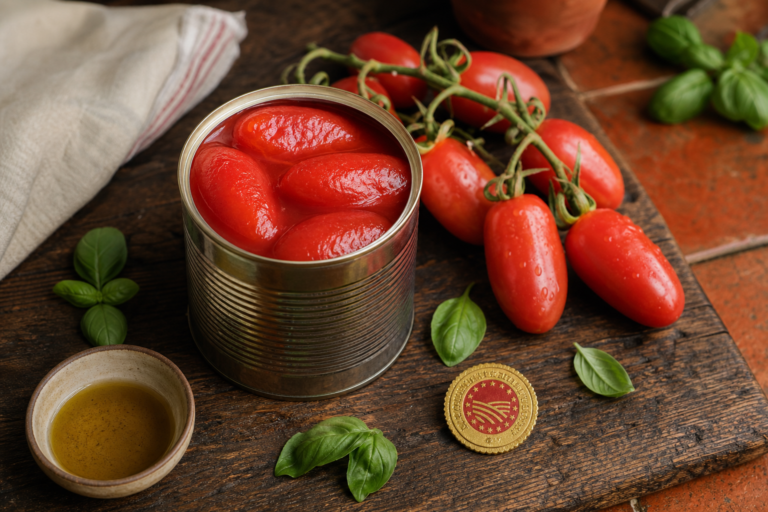
- 1 can (400 g) of peeled San Marzano tomatoes
- 1⁄2-1 tsp salt
- 1 tbsp olive oil (optional)
- Basil (optional)
Method:
- Crush the tomatoes: In the old days the nonna crushed all the tomatoes by hand, which was often quite a mess. Instead, I like to use a manual food chopper or a hand blender. Careful: only use the hand blender briefly and in pulses, to keep the tomatoes chunky and to stop the seeds from tasting bitter.
- Add the seasoning: Add salt, and optionally basil and olive oil, and mix everything well.
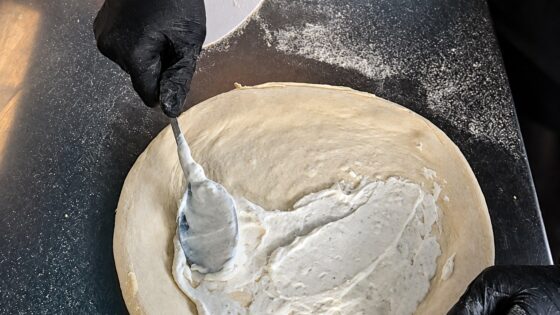
- Spread it on the dough: Spread the classic tomato sauce evenly over the pizza dough and then add your favourite toppings.
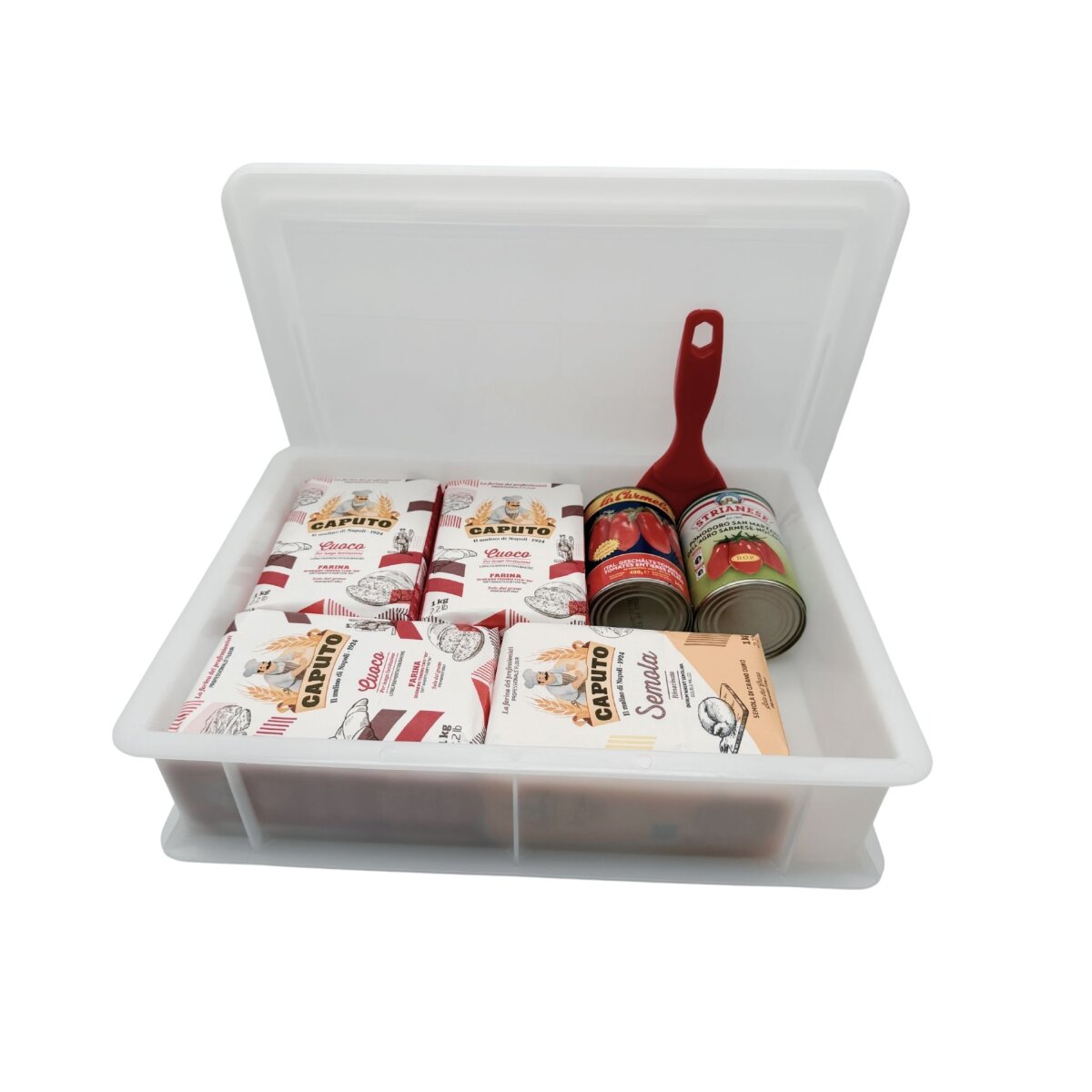 Make your own pizza - starter set Caputo - red*view at PizzaLaden ↗
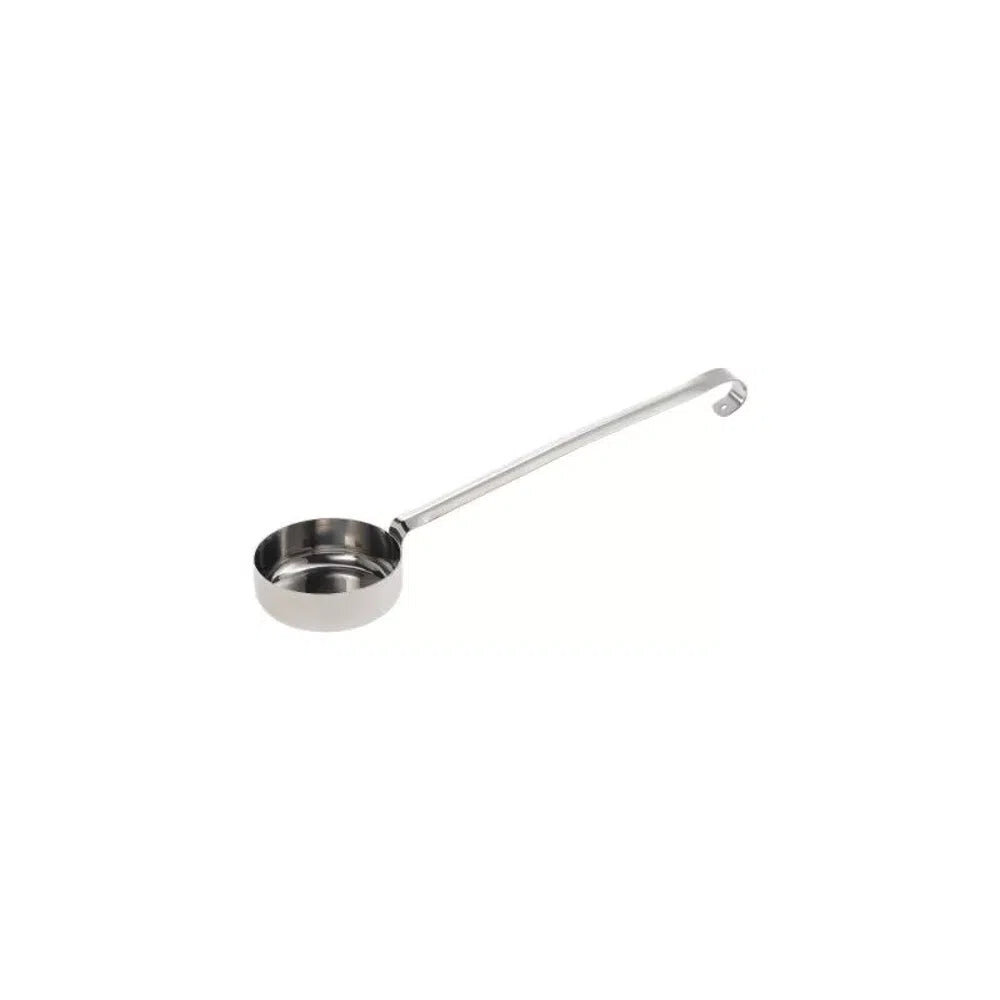 Gi.Metal stainless steel ladle – 90 g portion ladle for tomato sauce*view at PizzaLaden ↗
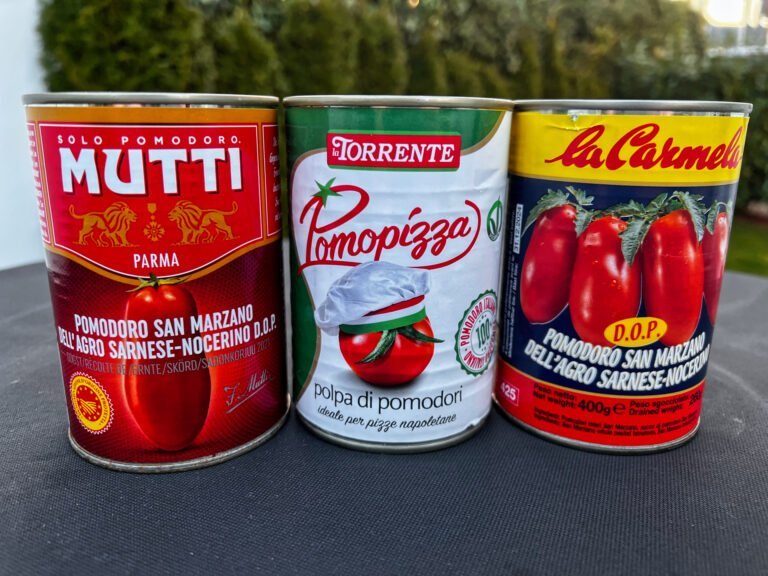
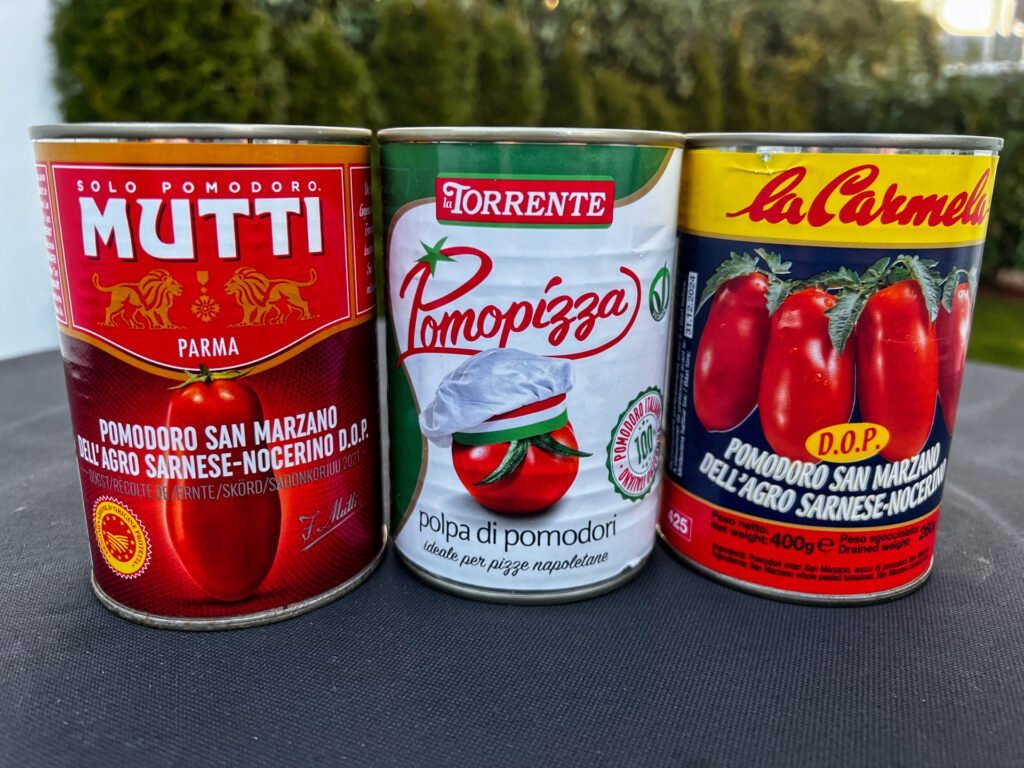
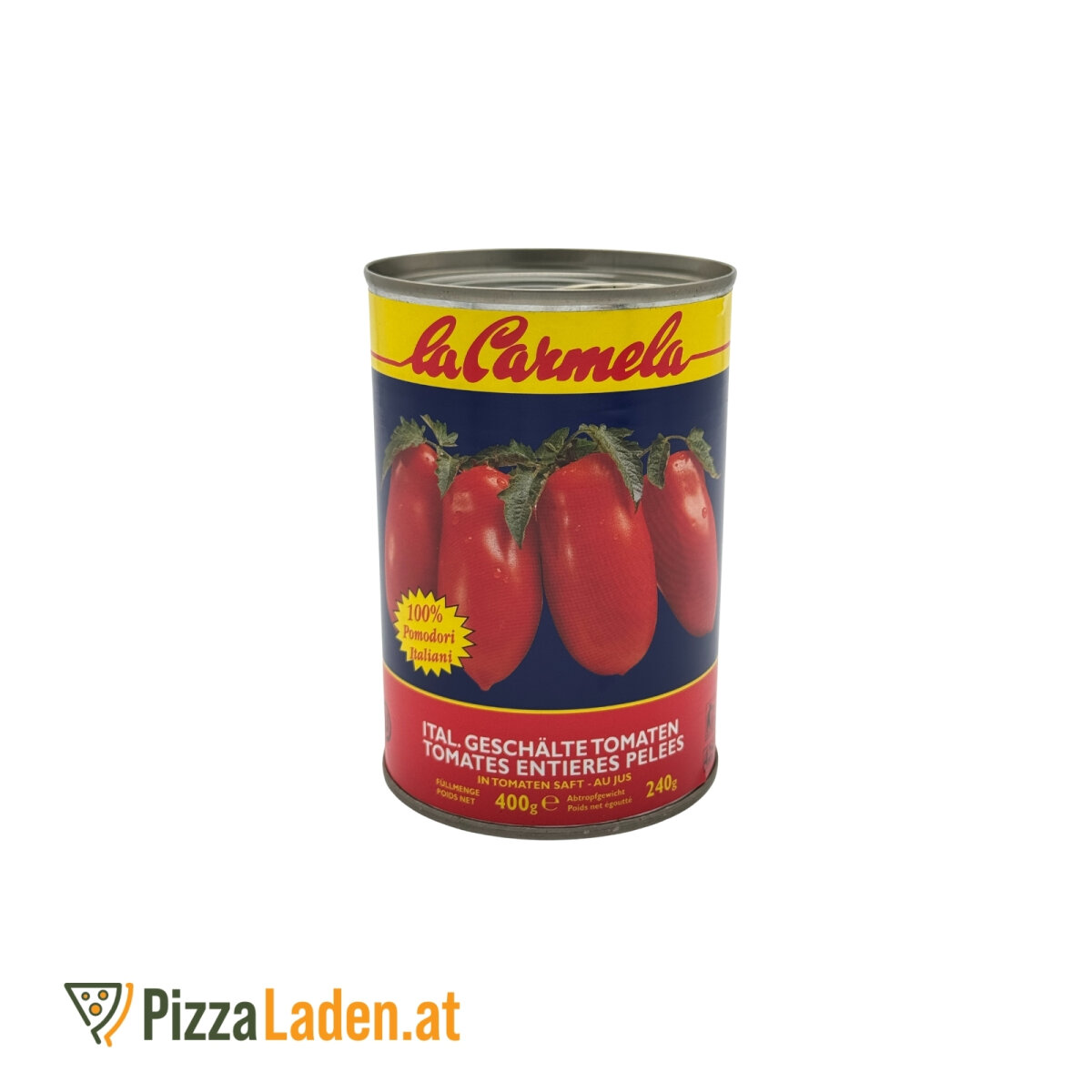 La Carmela Pomodori Pelati Italiani - 400g*view at PizzaLaden ↗
Why canned tomatoes?
I prefer canned tomatoes to fresh ones, mainly because of their consistent quality. While the quality of fresh tomatoes can vary a lot depending on season and supplier, canned San Marzano tomatoes give you a reliable base for a consistently delicious pizza sauce.
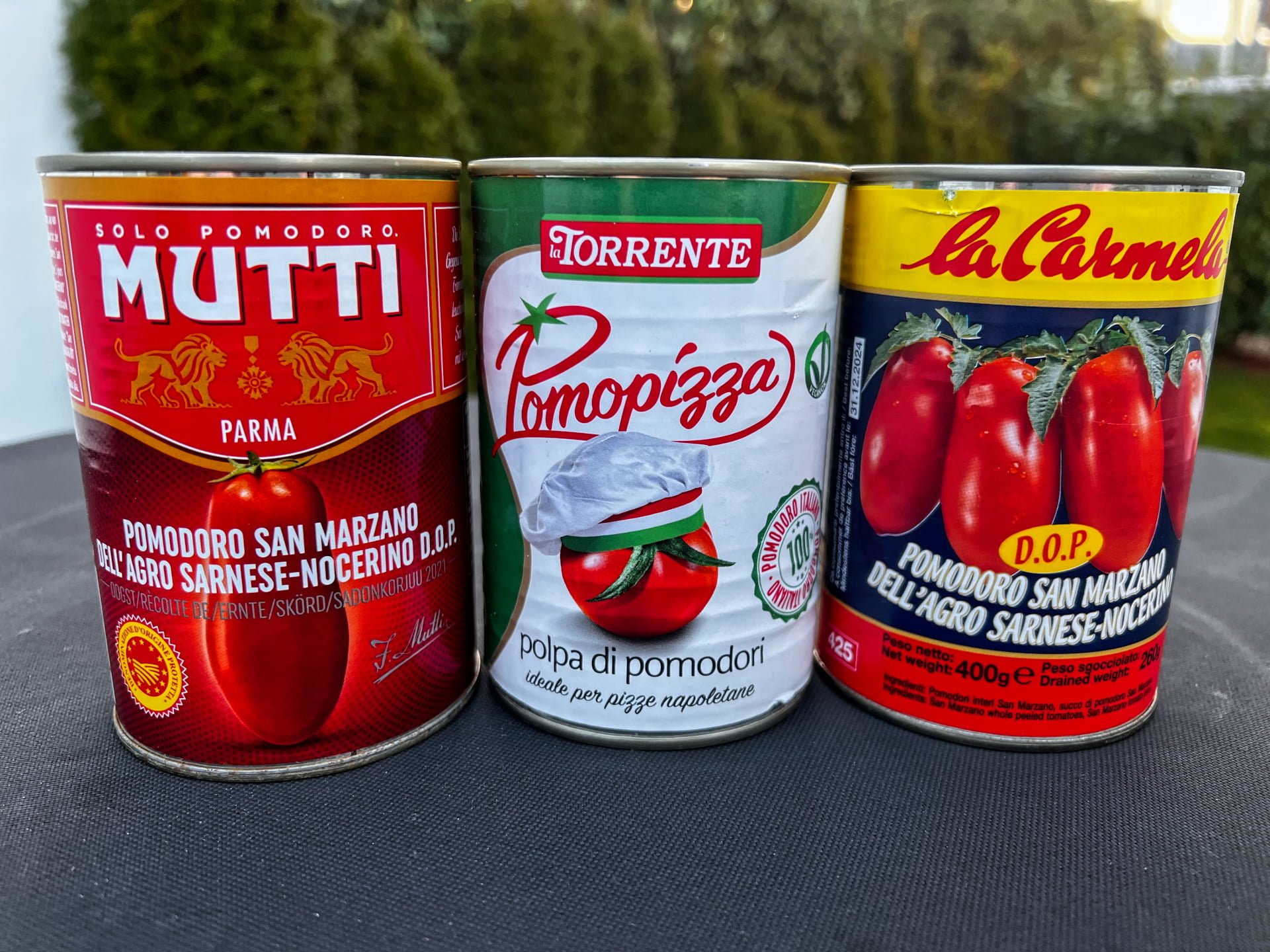
There are lots of brands of canned tomatoes, and it’s worth trying different ones to find out which you like best. Besides San Marzano, other varieties like Pelatti or Datterini work brilliantly too. They all bring their own unique flavour to your sauce.
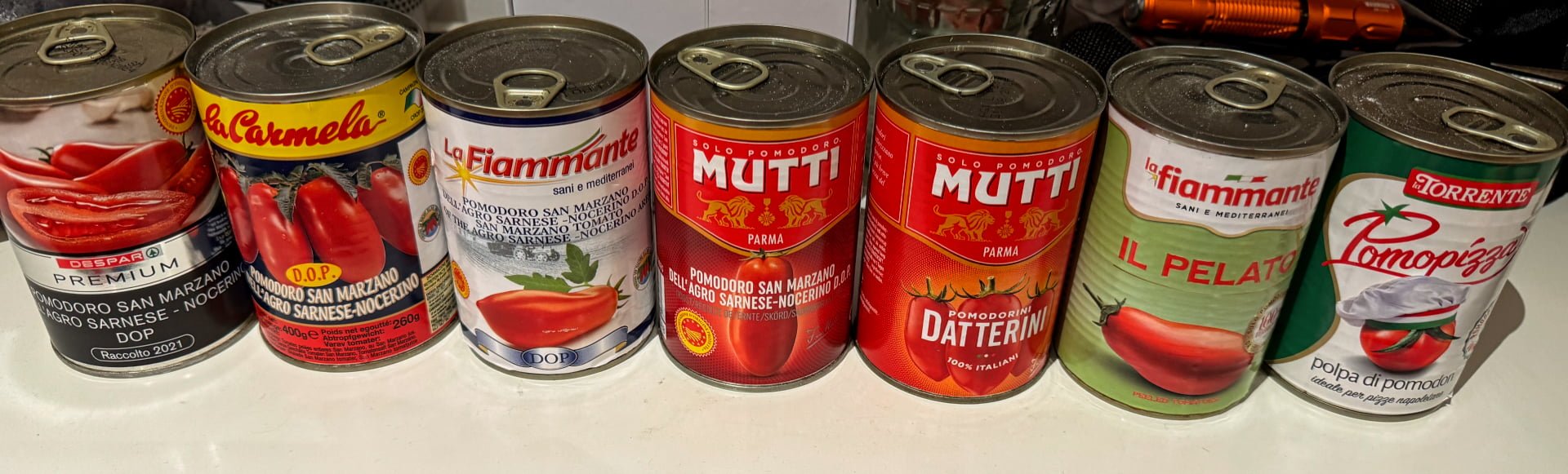
Interesting note on San Marzano tomatoes: On the bottom of San Marzano tomato cans you’ll find a code that tells you on which day of the year they were harvested. I think that’s good marketing, but personally I can’t tell from it whether the tomato is sweet or not. The weather at the start of the year can be different from the end, and that affects the taste of the tomatoes.
An important tip: I make sure the canned tomatoes have no citric acid in the ingredients. Citric acid is often used to peel the tomatoes, but it can affect the taste. For the best flavour, I prefer tomatoes processed without any additives at all.
Tomato sauce for pizza: cook it or not?
Short answer: don’t cook it. Original Neapolitan pizza sauce goes onto the dough cold – the oven does the cooking. There’s a good reason for that: if you cook the sauce beforehand, you risk losing its freshness and fruitiness. The raw tomato keeps its lively acidity, which goes perfectly with the cheese on the finished pizza.
Unlike a Bolognese or a pasta tomato sauce, which can simmer for hours, the rule for pizza sauce is: less is more. Just crush, salt – done.
Which ingredients ruin your tomato sauce?
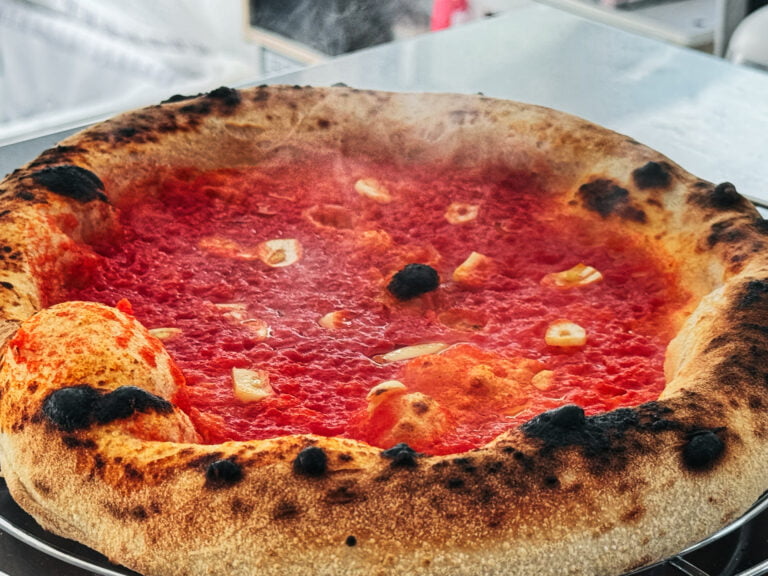
I see two mistakes again and again: dried basil and garlic powder. Both give the sauce a dull, artificial taste that covers up the fruity flavour of the tomato. If you want garlic, use a fresh clove instead – and fresh basil is best added to the finished pizza after baking.
Also often seen: tomato paste as a booster or a splash of ketchup. A good tomato sauce doesn’t need tricks. San Marzano tomatoes are naturally sweet and intense enough – the only thing they need is a bit of salt.
Making the sauce your own
Besides the classic recipe, you can refine and personalise your pizza tomato sauce however you like. For an extra flavour kick, add garlic or fresh herbs like oregano and basil. These bring out the flavour of the tomato sauce and give your pizza a personal touch. Experiment with them to make the sauce exactly to your taste!
By the way, you’ll find the best San Marzano tomatoes and Pelatti for your pizza sauce in my shop – I only stock brands I use regularly myself.
Perfect your pizza
With this simple recipe for tomato sauce for pizza and the best San Marzano tomatoes, you can bake an original Italian pizza that will wow your friends and family. Don’t forget to check out the dough recipe to make your pizza perfect. Have fun baking and enjoy!
I want your opinion!
Which tomato variety do you use for your perfect pizza sauce? Do you have a favourite brand or a special tip for crushing the tomatoes? Share your experiences and recommendations in the comments. I’m looking forward to hearing your personal pizza sauce secrets!
FAQ about tomato sauce for pizza
Which tomato sauce is best for pizza?
Canned San Marzano tomatoes are the best choice. They’re naturally sweet, low in acidity and have an intense tomato flavour – ideal for an authentic pizza sauce without lots of extras.
Should tomato sauce for pizza be cooked?
No. Original pizza sauce isn’t cooked, it goes onto the dough cold. The oven does the cooking. That way the tomato keeps its freshness and fruitiness.
How much tomato sauce do I need per pizza?
60–80 g of sauce per pizza is plenty. Less is more – too much makes the base soggy and stops it from getting properly crisp.
What’s the difference between pizza sauce and regular tomato sauce?
Pizza sauce goes on raw and is kept deliberately simple: tomato, salt, a little olive oil. Pasta tomato sauce is cooked and more heavily seasoned. For pizza the rule is: as little as possible, as much as necessary.
Italian Pizza Tomato Sauce: A San Marzano Recipe for the Real Deal
Check out my simple recipe for authentic Italian pizza tomato sauce with San Marzano tomatoes and take your pizza to the next level!
- Prep
- 10 min
- Total
- 10 min
Ingredients
Method
-
Put the San Marzano tomatoes in a bowl and crush them with a potato masher or a fork (or use a manual chopper / hand blender) until you get a coarse texture.
-
Add salt, basil and olive oil and mix well.
-
Spread the classic tomato sauce evenly over the pizza dough, then add your favourite toppings.
Notes
Back in the day, Nonna crushed all the tomatoes by hand, which was often a pretty messy affair. I prefer to use a manual chopper or a hand blender instead. Careful: only use the hand blender briefly, in short pulses, to keep the tomatoes chunky and to stop the seeds from turning the sauce bitter.