



Hello, dear pizza lovers!
Who would have thought that a "simple" flour from Hofer (Aldi in Austria) would take me on such a journey of discovery? For years I've been using the "HAPPY HARVEST wheat flour" for classic baking – cakes, cookies and all the tasty things that make life sweeter. But pizza? That idea never crossed my mind…
Before I go into more detail, I'd like to quickly clarify something: I bought the flour myself, and this post came out of my own personal interest. It's in no way sponsored or influenced. I'm sharing my experiences here and my passion for baking pizza.
First impression
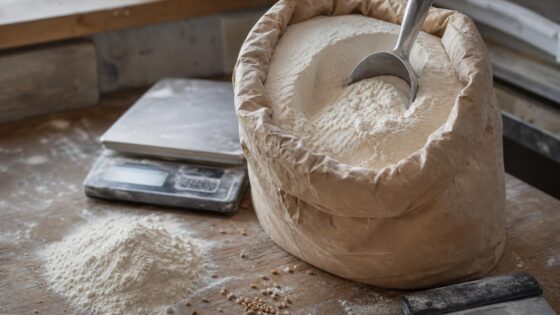
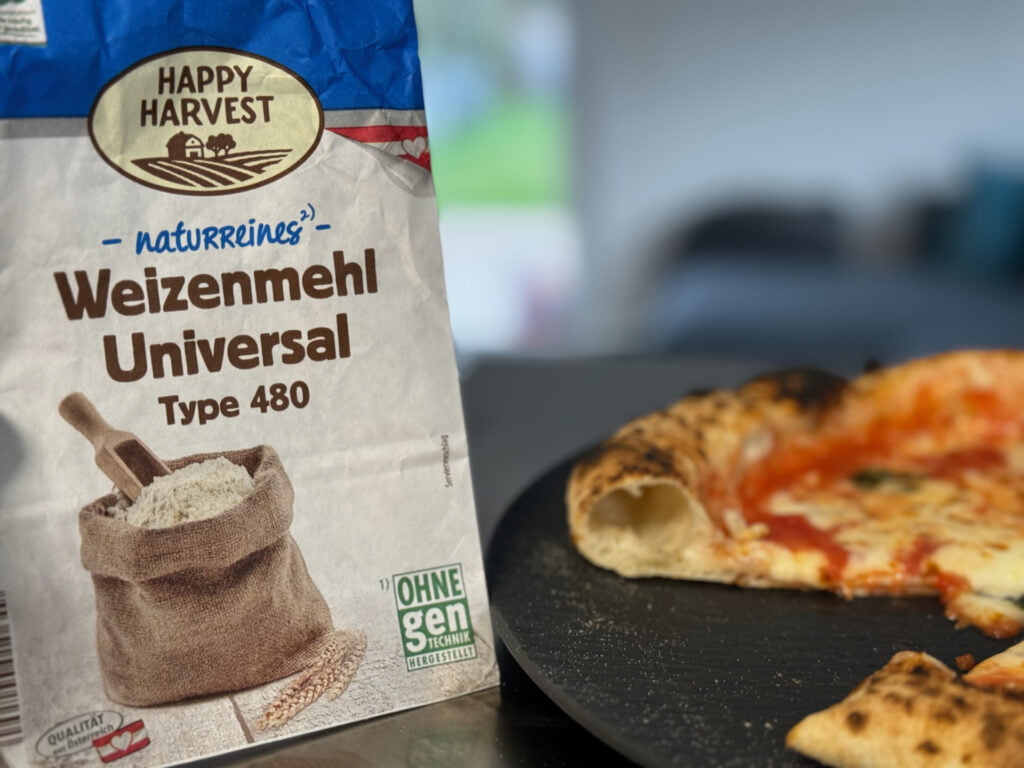
At first glance at the bag you quickly see that it's a typical flour. And yes, it simply looks like flour :D. What really stands out, though, is the protein content of 12g per 100g of flour. For a type 480 flour (equivalent to type 405 in Germany), which counts as a standard flour, that's quite remarkable and not something you see every day. The bag also lists "Haberfellner Mühle GmbH, Leopold-Haberfellner-Platz 1, 4710 Grieskirchen" as the manufacturer. This mill is well known in Austria and even offers its own pizza flour – another product that's definitely on my list for future tests.
Here you'll also find the nutrition table, which I carefully copied from the bag:
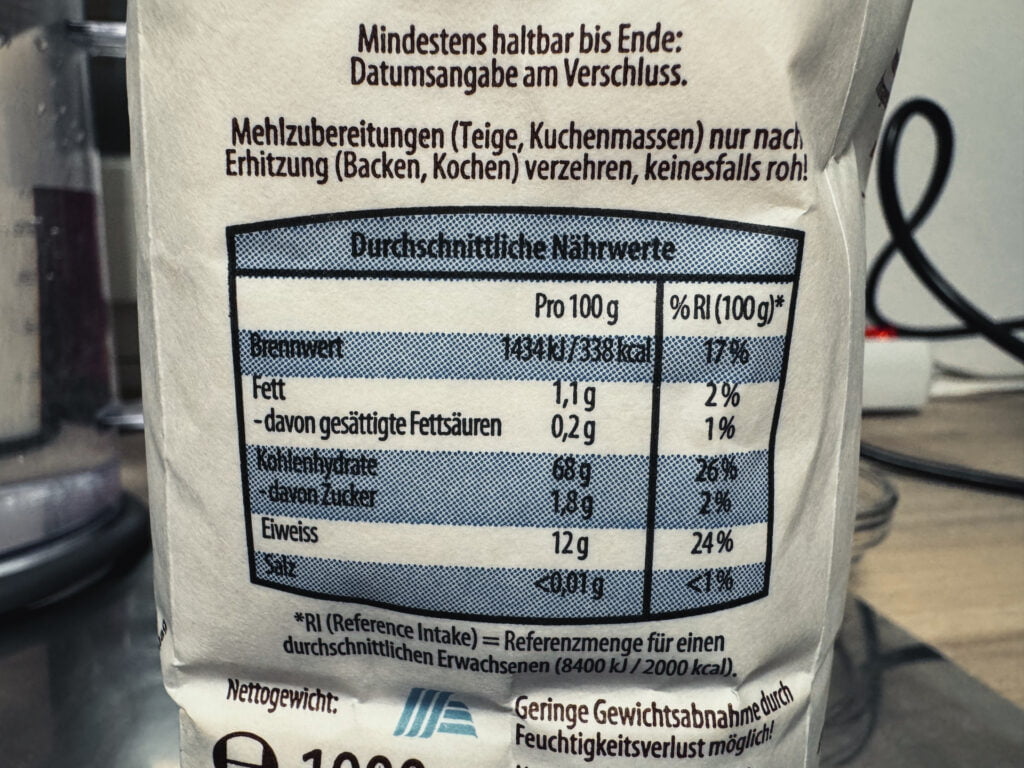
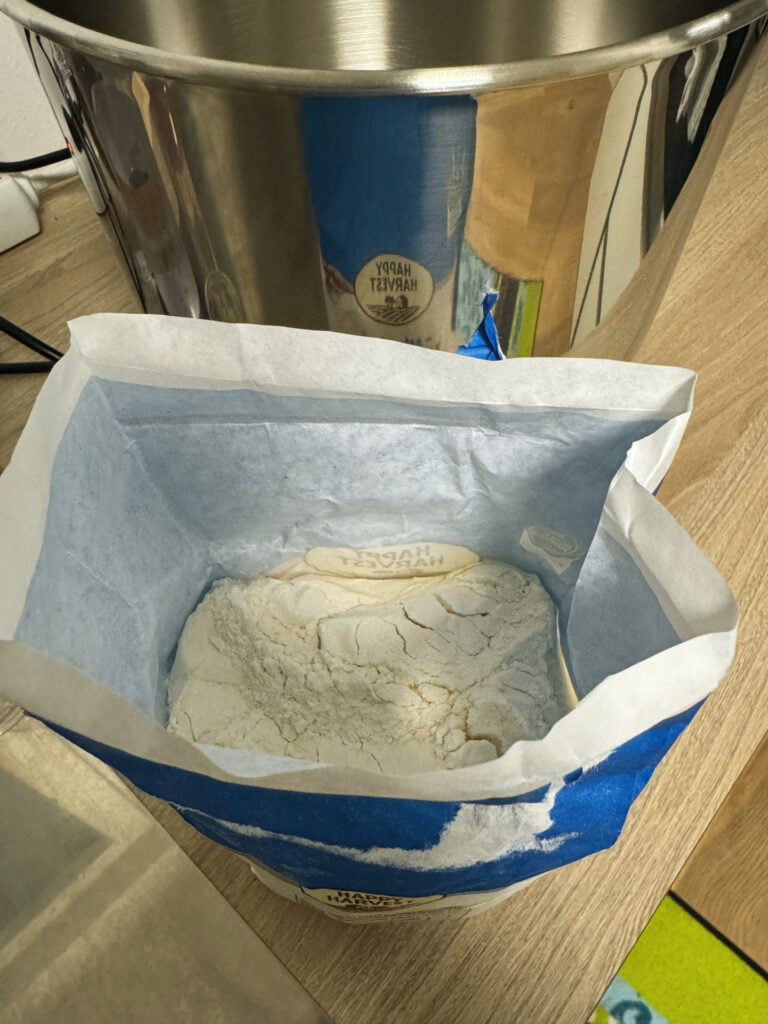
Unfortunately I don't know the W value and P/L value of the flour, but I've asked Haberfellner Mühle – as soon as I get an answer, I'll add the values here.
Nutrition table
| per 100 g on average | |
|---|---|
| Energy | 1434 kJ / 338 kcal |
| Fat | 1,1 g |
| – of which saturated fatty acids | 0,2 g |
| Carbohydrates | 68 g |
| – of which sugars | 1,8 g |
| Protein | 12 g |
| Salt | <0,01 g |
All information without guarantee (as stated on the bag)
Making the dough
For my test I chose a direct, cold fermentation over a period of about 36 hours. The process started with two hours of bulk fermentation at a room temperature of 22 °C. That was followed by 30 hours of ball proofing at a fridge temperature of 6 °C. Finally, I let the dough acclimatise for another four hours at a room temperature of 22 °C. I made the pizza dough with the Wilfa Probaker stand mixer, and to bake the pizza I used a professional electric pizza oven (Effeuno P134H 509 with Biscotto).
Ingredients:
- 1 kg HAPPY HARVEST wheat flour type 480
- 650 g water (from the fridge)
- 28 g sea salt (fine)
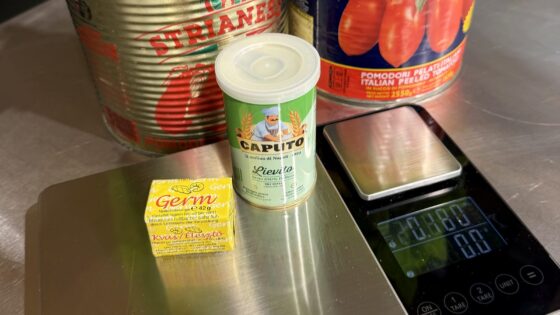
- 1,5 g fresh yeast (frozen)
Method:
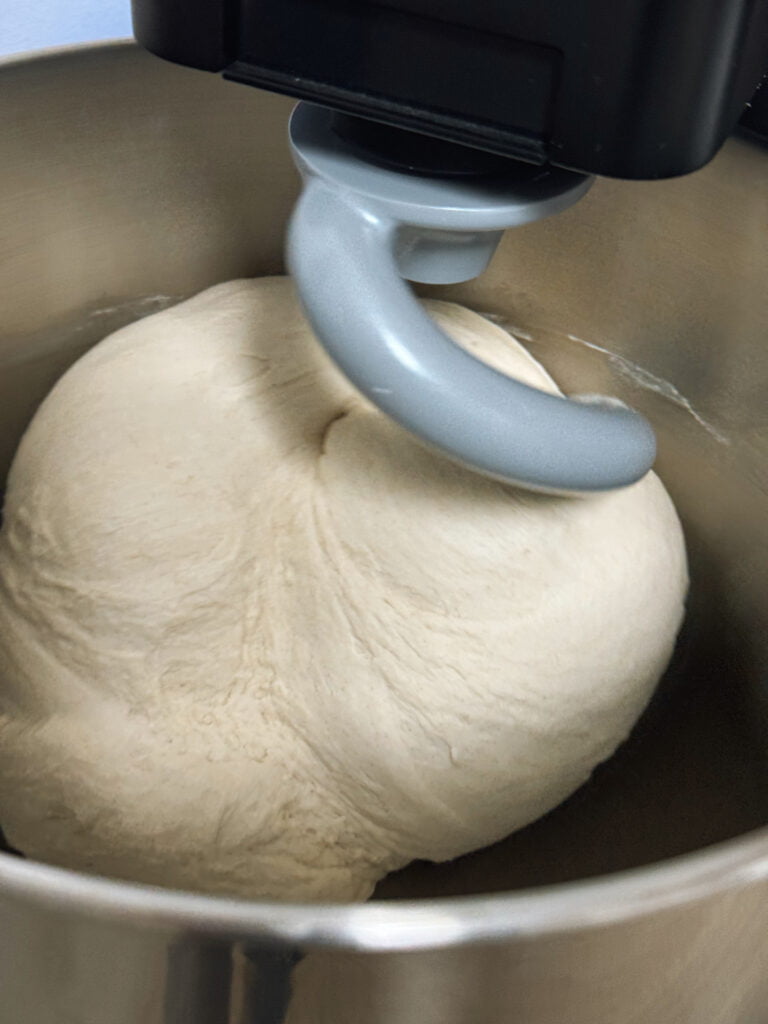
- First, put the flour into the kneading machine and mix briefly on the lowest setting. Then add about two thirds of the water while raising the mixer speed to a medium setting. At this stage, add the fresh (frozen) yeast.
- Once the water has combined with the flour, add the rest of the water a splash at a time until it's fully worked into the dough. Once all the water is incorporated, raise the speed of the kneading machine. As soon as the dough starts to get smooth, add the fine sea salt and keep kneading until the dough is smooth and no longer sticky.
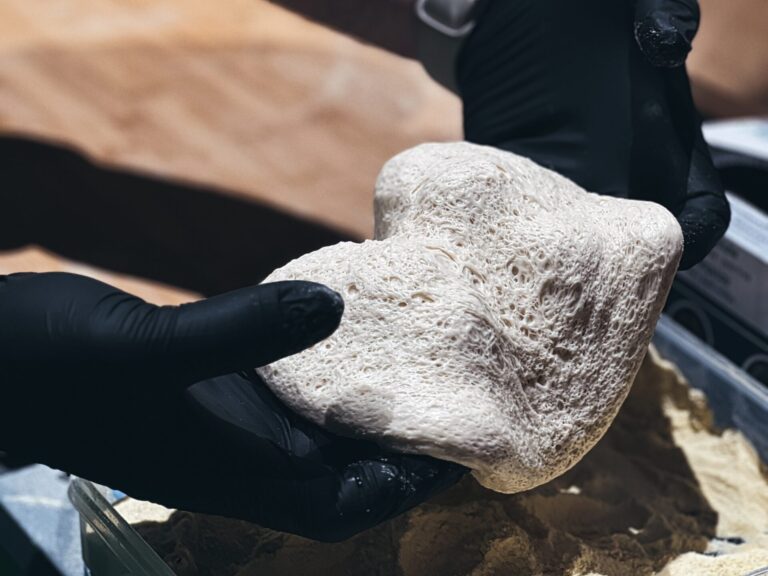
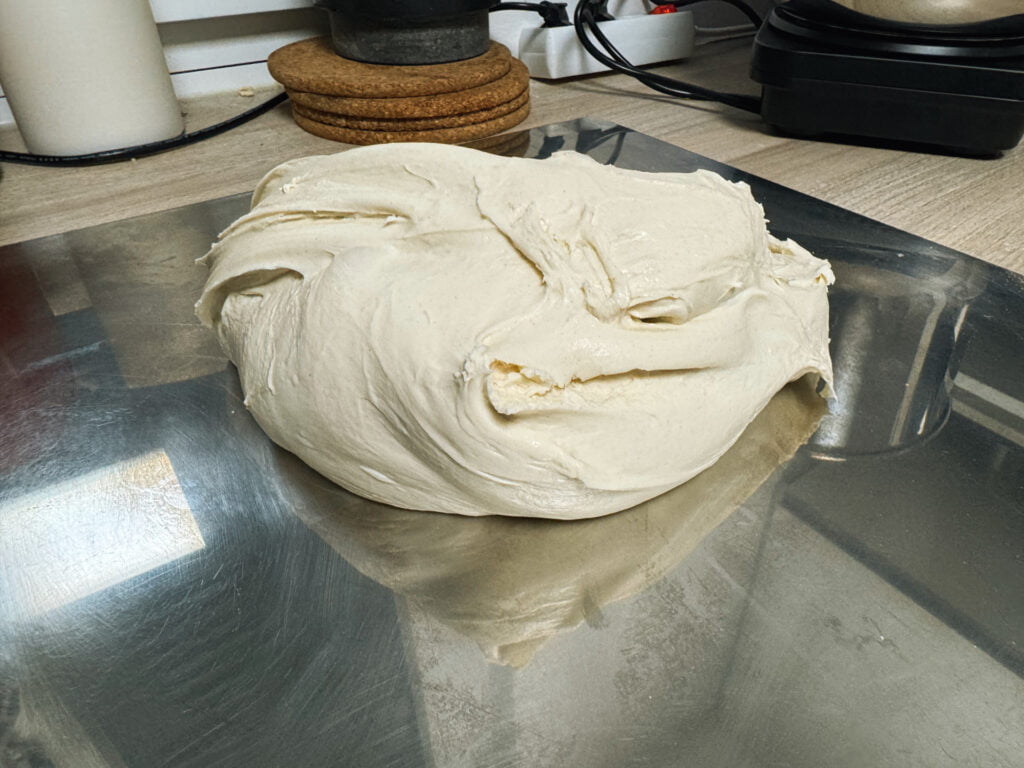
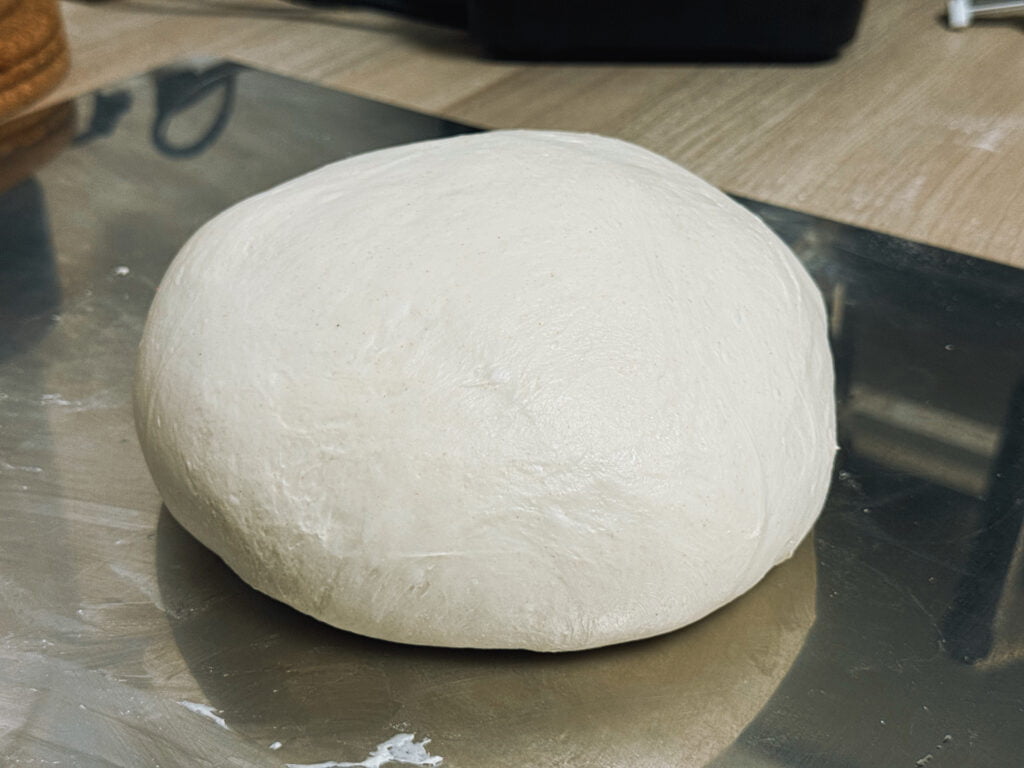
- Then take the dough out of the bowl, build tension with the Stretch & Fold technique and put it into a bowl lightly coated with olive oil for bulk fermentation. Let the dough rest for about 30 to 40 minutes before giving it another Stretch & Fold.
- The dough then stays at room temperature for roughly another 1,5 hours of bulk fermentation. After two hours in total, take it out of the bowl and prepare it for ball proofing, as described in the original Neapolitan pizza dough recipe.
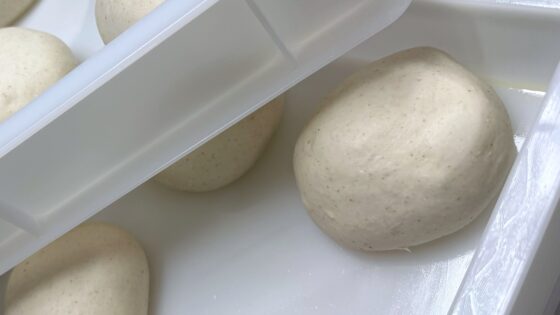
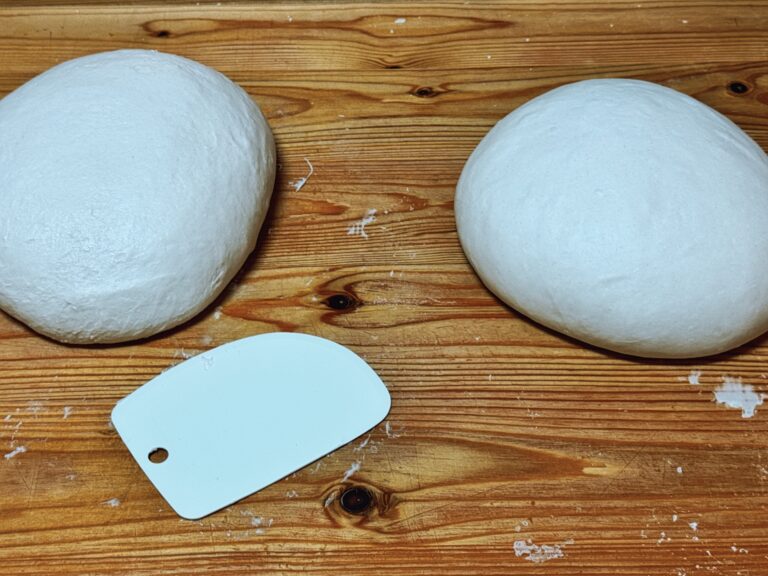
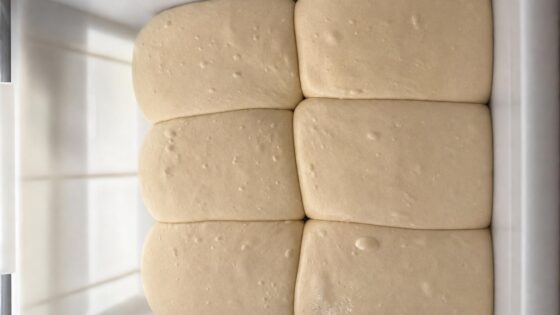
- Ball proofing then happens in lightly oiled meal prep containers in the fridge for about 30 hours. After about 32 hours in total (including bulk fermentation and ball proofing), take the dough balls out of the fridge and let them acclimatise for around four hours.
- After a total of around 36 hours, the dough is ready to bake.
Baking
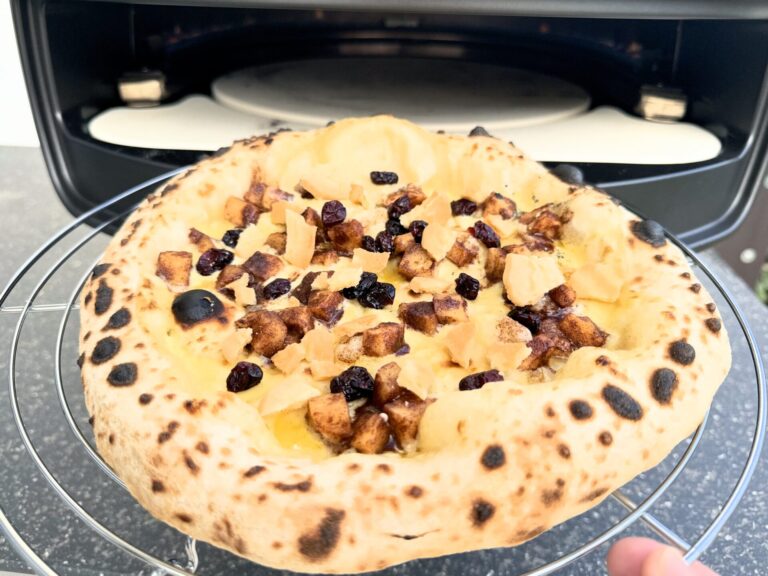
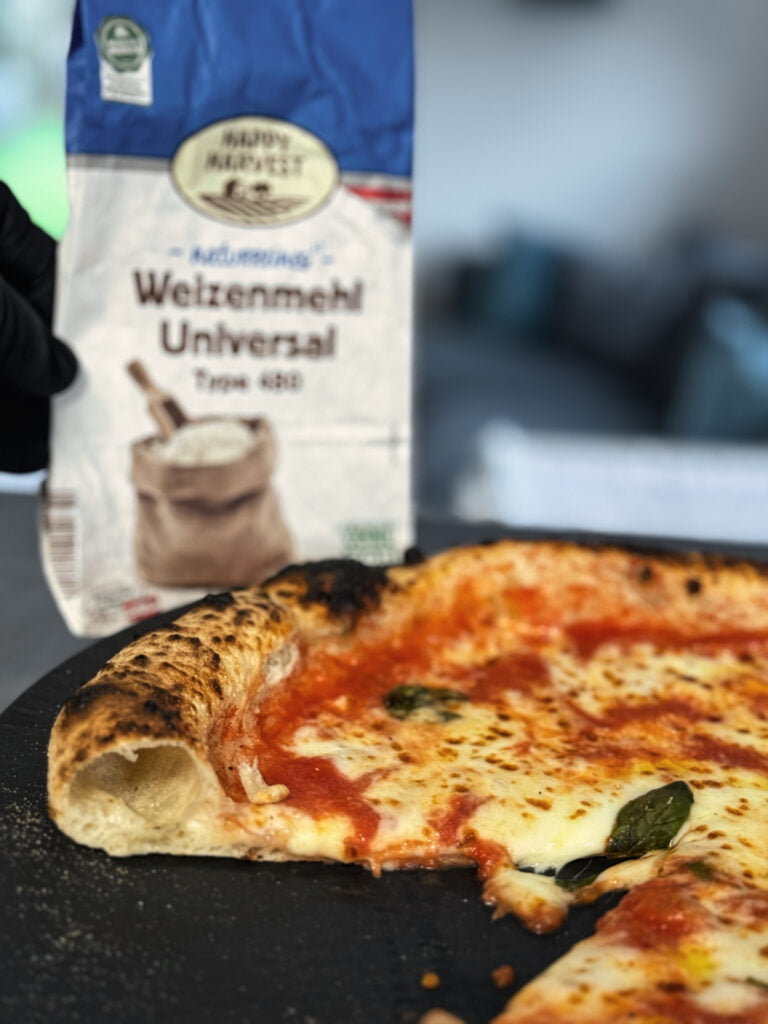
For the test I decided to make a classic Pizza Margherita. I baked it in an electric pizza oven set to 450°C top heat and about 200°C bottom heat. The pizza needed just 1 minute and 30 seconds to bake perfectly. The result was impressive, as you can clearly see in the photos.

Taste
The pizza baked with Hofer's "HAPPY HARVEST wheat flour" convinced me on taste. The dough was nicely crisp on the outside and pleasantly soft inside – exactly how a good pizza should be. Especially remarkable was the beautiful leoparding on the crust, an attractive golden-brown colour with the typical dark spots, which tasted just as good as it looked. There was also a subtle wheaty note that added harmoniously to the overall flavour. To create a fair basis for comparison with other flours, I went for a simple Margherita first. The idea was that stronger flavours from ingredients like spicy salami or strong cheese could influence the actual result. That way the true character of the dough could be judged without distortion. All in all, Hofer's "HAPPY HARVEST wheat flour" delivered a delicious pizza and is a promising option for further culinary experiments.
Value for money
The value for money of Hofer's "HAPPY HARVEST wheat flour" deserves a special mention. At just 0,75 € per kilogram, it's an exceptionally affordable option for making high-quality pizzas.
By comparison, Gut Hardegg pizza flour cost 0,99€ per kilogram on special offer, normally 1,29 € in the supermarket and 1,79 € in their own online shop. That's in clear contrast to other premium flours like Caputo pizza flour, which costs between 2,49 € and 2,99 € per kilogram by mail order. Another example for comparison would be "La Farina 14" from Frießinger Mühle in Germany, which is available there for about 1,75 € per kilogram but isn't available in Austria. Given these prices, the "HAPPY HARVEST wheat flour" shows impressive value without compromising on quality.
Verdict
Hofer's "HAPPY HARVEST wheat flour" turned out to be a promising choice for making pizza. For this test I chose a moderate hydration, which made the flour easy to work with and let me create a high-quality pizza. The flour performed excellently during baking and delivered impressive results on taste. In the next test, adjusting the hydration could be interesting, to explore how that affects the texture and the end product. Price-wise, the "HAPPY HARVEST wheat flour" is especially attractive at just 0,75 € per kilogram and offers excellent value for money compared to well-known brands like Caputo and La Farina 14.
Being able to use a high-quality flour at such a low price is a big advantage. The results of this test show that the "HAPPY HARVEST wheat flour" is a recommendable option for every pizza lover.
*This test reflects my personal experience from a single use and is not a long-term test.
Perfect 36-Hour Pizza Dough – Simple and Delicious with Hofer Flour
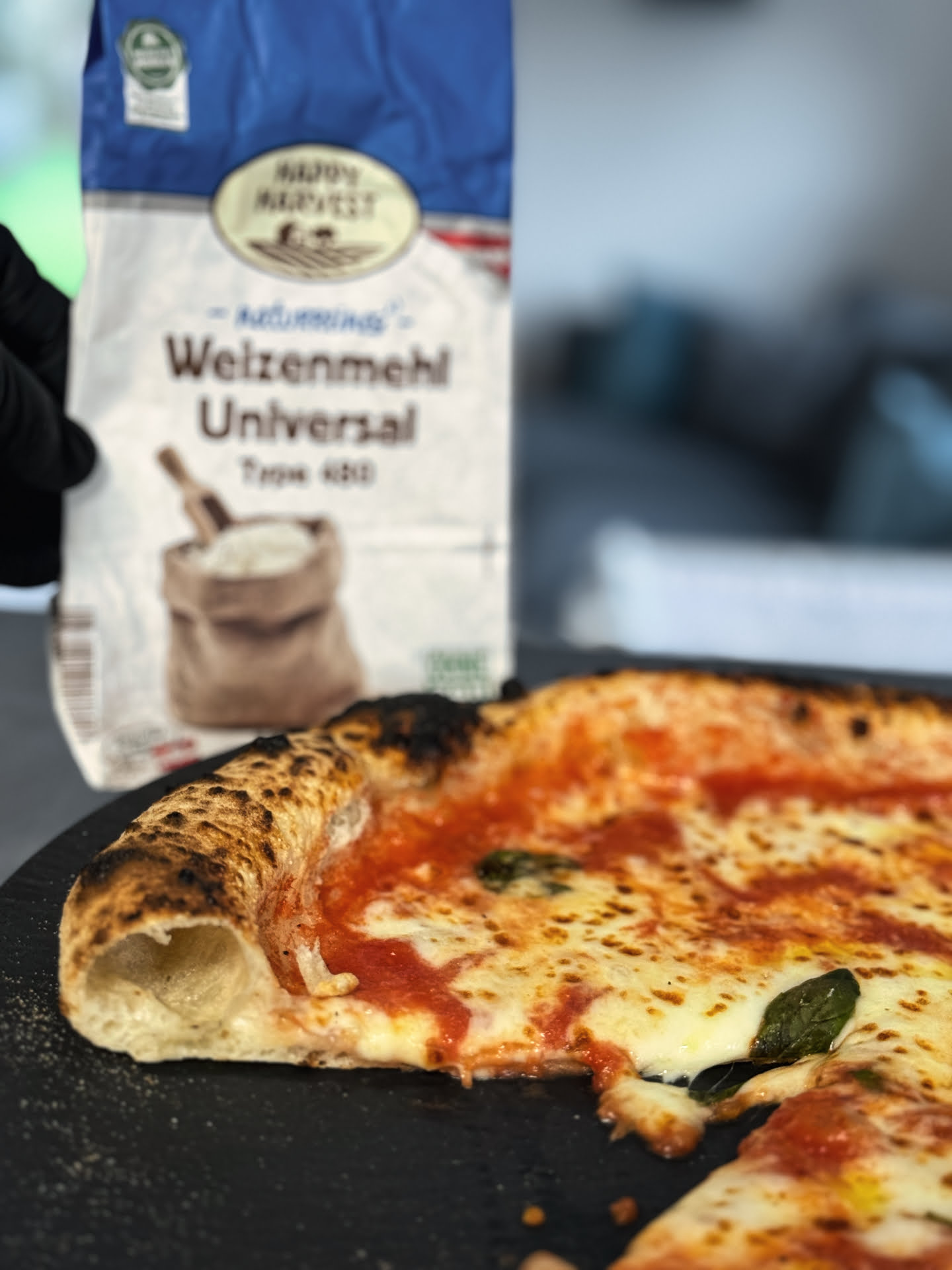
In this recipe I'll show you how to make a fantastic 36-hour pizza dough with Hofer's "HAPPY HARVEST Weizenmehl Typ 480" wheat flour. The process starts with a 2-hour bulk fermentation at room temperature, followed by a 30-hour final proof of the dough balls in the fridge, and ends with 4 hours of acclimatizing. The result is a beautifully balanced dough that gives every pizza that special something.
- Prep
- 30 min
- Bake
- 2 min
- Resting
- 36 h
- Total
- 36 h 32 min
Ingredients
Method
- First, put the flour into the mixer and briefly combine it on the lowest speed. Then add about two thirds of the water while increasing the mixer to medium speed. At this point, add the fresh (frozen) yeast.
- Once the water has combined with the flour, add the rest of the water a little at a time until it's fully worked into the dough. When all the water is in, turn up the speed of the mixer. As soon as the dough starts to smooth out, add the fine sea salt and keep kneading until the dough is smooth and no longer sticky.
- Then take the dough out of the bowl, build up tension with the stretch and fold technique and place it in a bowl greased with olive oil for the bulk fermentation. Let the dough rest for about 30 to 40 minutes before giving it another round of stretch and fold.
- Leave the dough at room temperature for roughly another 1.5 hours of bulk fermentation. After two hours in total, take it out of the bowl and get it ready for the final proof, as described in the original Neapolitan pizza dough recipe.
- The final proof then happens in oiled meal prep boxes in the fridge for around 30 hours. After about 32 hours in total (bulk fermentation plus final proof), take the dough balls out of the fridge and let them acclimatize for around four hours.
- Take the dough balls out of the fridge and let them acclimatize at room temperature for around 4 hours.
- After a total of around 36 hours, the dough is ready to bake.